太极张三丰
中国太平发布2026年中期业绩 披露“十五五”规划主要内容_我的网站

一 | 8月26日,中国太平(HK00966)在香港召开2026年中期业绩发布会,集团副董事长、总经理李可东致辞,副总经理杨明刚、白凯,董事会秘书张若晗,太平人寿总经理王旭泽、太平财险总经理(拟任)彭云苹、太平资产副总经理(主持工作)李冠莹等参加。
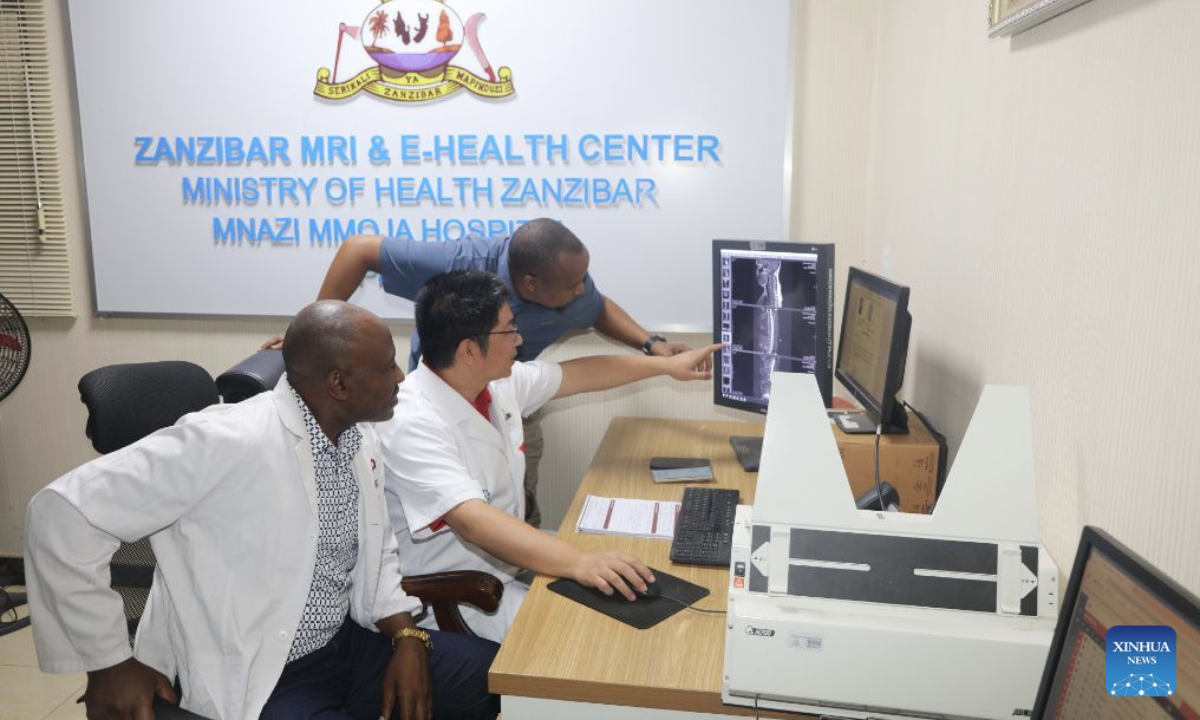
This photo taken on May 28, 2026 shows Yuan Gang, a radiologist with the 35th Chinese medical team in Zanzibar, discussing MRI images with local doctors at Mnazi Mmoja Hospital in Zanzibar, Tanzania. (The 35th Chinese medical team in Zanzibar/Handout via Xinhua)In a radiology room at Lumumba Regional Hospital in Tanzania's Zanzibar, a quiet technological shift is reshaping how doctors detect disease, make decisions, and save lives.
On the island, artificial intelligence (AI) systems are helping doctors interpret medical images, while remote consultations connect local physicians with specialists thousands of kilometers away.
Bridging this distance is Yuan Gang, a radiologist with the 35th Chinese medical team in Zanzibar, who combines local imaging, cloud-based AI analysis, and real-time specialist consultations.
For years, Zanzibar's healthcare system has faced challenges in diagnosing complex diseases, particularly because of limited imaging expertise, heavy workloads, and the lack of advanced diagnostic tools, said local physician Haitham Hamudu.
Imaging interpretation, often described as the "eyes" of modern medicine, has been especially constrained by limited expertise, heavy workloads, and a lack of advanced tools, Haitham said.
By linking the hospital's imaging system with the First People's Hospital of Lianyungang in east China's Jiangsu Province, he has introduced a three-layer diagnostic approach, which includes initial reading by local doctors, AI-assisted detection and classification, and quality control through Chinese specialist review.
This hybrid model is enabling doctors in Zanzibar to access the precision and standards of top-tier Chinese hospitals without requiring patients to leave the island.
"Technology is allowing us to overcome distance and resource gaps," Yuan said. "It is not just about solving one case, but about building a system that improves care for many patients."
One of the most striking cases involved a young Zanzibari child suffering from recurrent vomiting and lethargy.
After reviewing the child's Magnetic Resonance Imaging scans, Yuan diagnosed hydrocephalus but found the underlying cause unclear. He immediately initiated a remote consultation with neuroradiology experts in the Chinese city of Lianyungang.
By jointly reviewing the imaging data and clinical records, the team identified the hidden cause, provided a precise diagnosis and treatment recommendations, giving local doctors a clear path forward and the child a renewed chance at recovery.
Beyond individual cases, Yuan has introduced AI-powered imaging tools to improve diagnostic accuracy in Zanzibar.
He said many women have dense breast tissue, making breast cancer harder to detect with conventional mammography. AI-assisted mammography now analyzes images, classifies lesions using the internationally recognized Breast Imaging Reporting and Data System, and helps doctors assess malignancy risk.
In one case, a 42-year-old woman with mild breast pain showed no obvious abnormalities on routine examination. AI, however, detected two hidden nodules and accurately classified their risk, helping doctors avoid unnecessary procedures while ensuring timely follow-up.
Similarly, AI-assisted lung imaging is improving the early detection of pulmonary nodules that are often missed in manual readings.
In one case, a 56-year-old man with a chronic cough was initially diagnosed with inflammation. Yuan's review, supported by AI analysis, identified four small nodules, including one with high-risk features, prompting closer monitoring and potentially preventing the progression of an early tumor.
Beyond diagnosis, Yuan is helping local doctors adopt AI tools, standardized reporting systems, and structured diagnostic methods through hands-on training and case-based teaching, improving diagnostic accuracy while strengthening local capacity.
The AI imaging initiative is part of a broader digital healthcare partnership between China and Tanzania's Zanzibar, Yuan said.
The hospital and its partner institution in Lianyungang have established regular remote multidisciplinary team consultations, bringing together specialists in neurosurgery, oncology, and other disciplines to jointly review complex cases and develop treatment plans.
"I have never seen this kind of consultation before," said local physician Haitham. "So many experts working together, providing practical solutions. It is very inspiring."
Bao Zengtao, leader of the Chinese medical team, said remote consultations not only improve patient care but also enhance the professional capacity of local healthcare workers.
Yuan added that the ultimate goal is to build a sustainable model that can be expanded across Africa, ensuring more patients have access to accurate diagnosis and timely treatment.
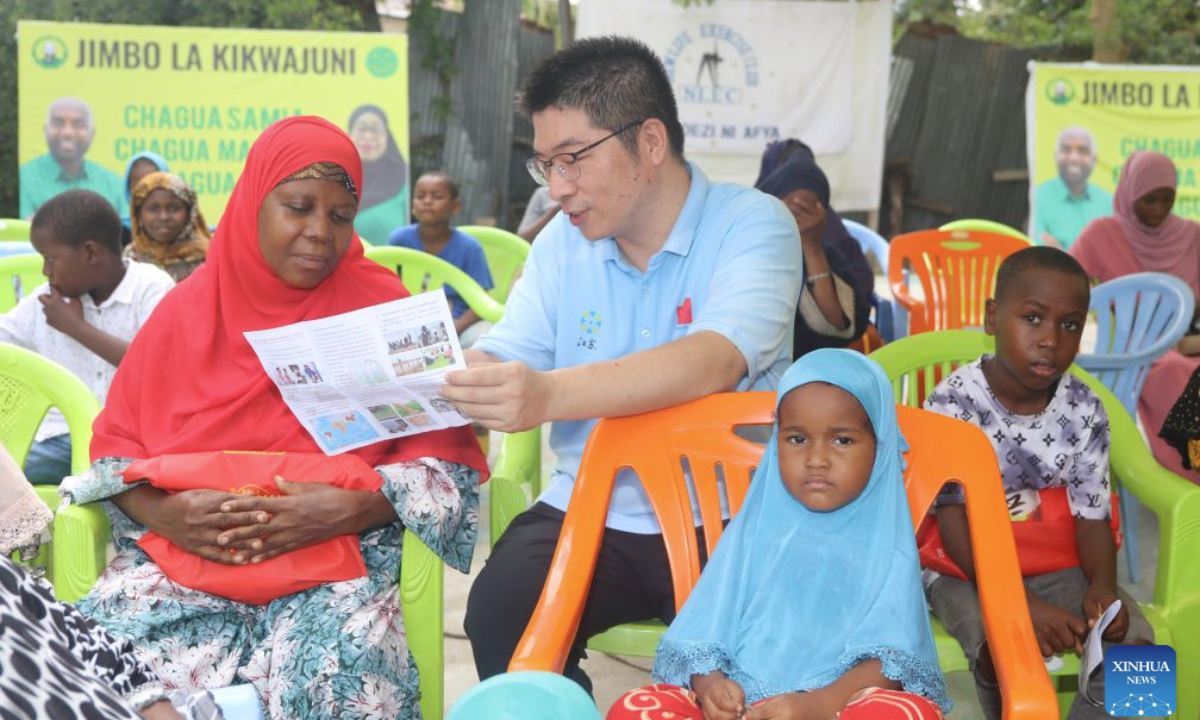
This file photo taken on Oct. 8, 2025 shows Yuan Gang, a radiologist with the 35th Chinese medical team in Zanzibar, talking with a local resident during a community health outreach activity in Zanzibar, Tanzania. (The 35th Chinese medical team in Zanzibar/Handout via Xinhua)
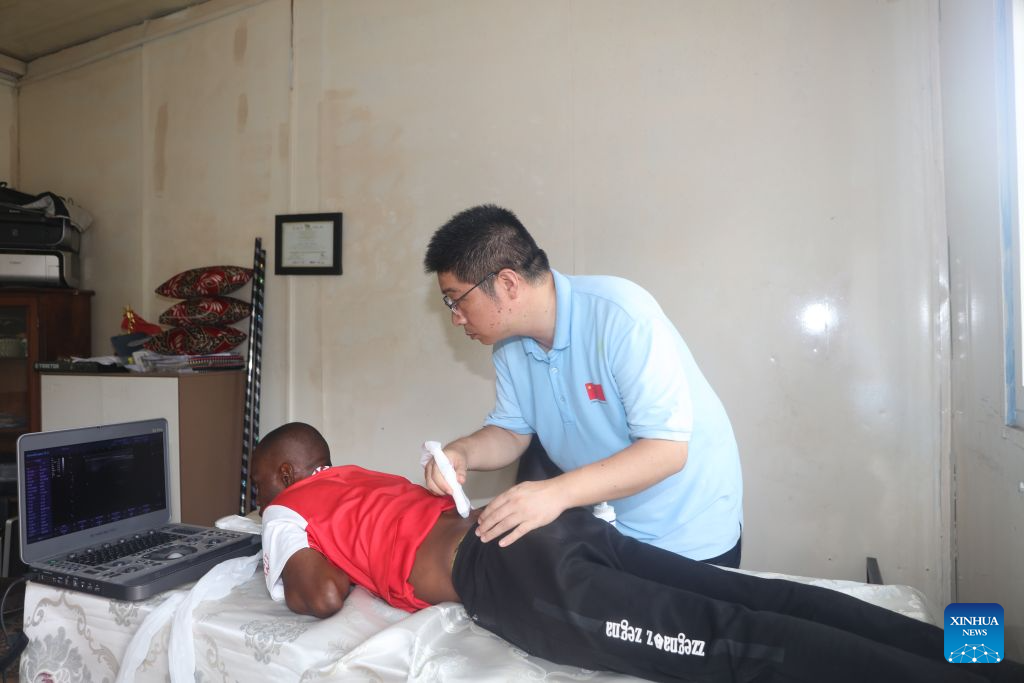
This file photo taken on Oct. 8, 2025 shows Yuan Gang, a radiologist with the 35th Chinese medical team in Zanzibar, performing an ultrasound examination on a patient at a local health facility during a community health outreach activity in Zanzibar, Tanzania. (The 35th Chinese medical team in Zanzibar/Handout via Xinhua)
。 2026年上半年,中国太平紧扣“防风险、强管理、促发展、保安全”的工作主线,强基固本、苦练内功、提质增效,业务发展稳中有进,经营质效向优向好,价值转型取得实效。集团实现归母净利润128.73亿港元,同比增长90.3%。

二 | 普通股股东应占权益1036.38亿港元,较去年末增长8.9%。总资产超2.1万亿港元,较2025年末增长9.1%。承保端表现良好。保险服务收入589.26亿港元,同比增长5.3%。保险服务业绩128.76亿港元,同比增长4.5%。

三 | 寿险合同服务边际2,307.1亿港元,较2025年末增长6.8%。产再综合成本率96.8%。投资端显著提升。总投资收益479.52亿港元,同比增长120.5%。

四 | 净投资业绩96.94亿港元,显著优于去年同期。集团投资资产规模稳步增长,资产结构保持稳健。

五 | 净投资收益、总投资收益均实现同比提升,权益资产表现大幅好于去年同期。 上半年,中国太平服务国家战略成效显著,职责使命不断彰显。支持香港国际金融中心建设方面,积极参与香港首个五年规划公众咨询、建言献策,高度关注支持北部都会区建设。集团债券“南向通”首笔投资交易落地,太平金控旗下基金成功入选香港特区政府创投创科基金优化计划。积极做好香港特区政府“广东院舍照顾服务计划”承办工作,服务港籍长者人数超1300人。参与粤港澳大湾区建设方面,承保的跨境车数量同比增长15%,保持市场领先地位,港澳洪涝巨灾模型取得重要进展,大湾区“专属+N”人身保险产品进一步丰富。集团养老社区入住港澳长者数持续增长,广州木棉人家继去年入选香港特区政府“广东院舍照顾服务计划”后,已有该计划下长者入住。生态圈建设方面。

六 | 集团自建康养社区稳健运营,在住长者人数持续增加,居家养老试点工作顺利推进。太平医疗健康基金、太平科创基金累计投资151家国家级和省级专精特新医疗和科创企业。

七 | 启动共享服务生态圈建设,线上服务开始试运营。

八 | 发布会上,中国太平还公布了集团“十五五”规划的主要内容,明确未来一个时期集团战略愿景是建设最具价值成长、值得客户信赖的世界一流保险集团,提出了价值创造成效显著、功能作用更加突出、客户信赖度明显提高、数智化建设全面深化、风控合规有力有效等五个方面的发展目标,强调战略布局是依托医康养、金融科技、共享服务三大生态圈,打通“保险保障+客户服务+科技赋能”全链条,更好满足客户多层次多样化保障需求。 站在“十五五”新的起点上,中国太平将一张蓝图绘到底,持续深化实施高质量发展战略,积极用好各种机遇和优势,坚定信心,齐心协力,接续奋斗,不断开创集团高质量发展新局面。责任编辑:曹睿潼。
Current article:http://www.tibiantasangnenti.buzz/list_a3e/fdt.xlsx
Published on:19:22:37
 女武神決心送天空三連敗
明星大侦探
女武神決心送天空三連敗
明星大侦探
 小米6.35亿北京再拿地 拟用于建设新能源汽车工厂
中国梦之声
小米6.35亿北京再拿地 拟用于建设新能源汽车工厂
中国梦之声
 外卖小哥,请来喝杯免费咖啡
意外
外卖小哥,请来喝杯免费咖啡
意外
 湖北省纪委最新通知:严查党员干部、公职人员违规打牌和赌博!
敦刻尔克
湖北省纪委最新通知:严查党员干部、公职人员违规打牌和赌博!
敦刻尔克
 上半年73人车祸亡 45死者涉摩托车
赌神
上半年73人车祸亡 45死者涉摩托车
赌神
 辽宁省档案条例
血战太平洋
辽宁省档案条例
血战太平洋
 工业和信息化部绿色低碳标准化技术委员会成立
面对面
工业和信息化部绿色低碳标准化技术委员会成立
面对面
 木偶戏讲法治 机器人说相声 滨江泰顺开启“文明共建”新篇章
中国最强音
木偶戏讲法治 机器人说相声 滨江泰顺开启“文明共建”新篇章
中国最强音
 生意社2026年8月26日涤纶短纤行情观点:震荡
那一场呼啸而过的青春
生意社2026年8月26日涤纶短纤行情观点:震荡
那一场呼啸而过的青春
 英媒:研究发现,血检能够发现患者潜在的多种癌症疾病
荆轲刺秦王
英媒:研究发现,血检能够发现患者潜在的多种癌症疾病
荆轲刺秦王
 A股三大指数集体收跌,全市场超3900股下跌
幸福来敲门
A股三大指数集体收跌,全市场超3900股下跌
幸福来敲门
 한미글로벌, 건설사업관리 '세계 6위'
原来是美男
한미글로벌, 건설사업관리 '세계 6위'
原来是美男

 微信
微信 移动端
移动端