近日,美国《纽约时报》记者实地走访北京,沉浸式感受中国人工智能落地的真实生态。
(ECNS) -- The core structure of a 110-meter radio telescope in Xinjiang has been installed, marking a major milestone for what will become one of the world’s most precise radio telescopes of its size, capable of conducting observations at high radio frequencies. Located in Qitai County, Xinjiang Uygur Autonomous Region , the telescope is built by China Electronics Technology Group Corporation (CETC). The completion of the antenna support structure has allowed the project to move into the installation of the elevation structure. Once completed, the telescope will support China’s deep-space exploration. Ma Wengang, a representative of the project, noted that the telescope’s main structure is designed to support a movable section weighing more than 3,000 metric tons and enable 360-degree rotation around the vertical axis. According to Xu Qian, chief engineer of the antenna system, the telescope will achieve arcsecond-level pointing accuracy after completion, roughly equivalent to spotting a ping-pong ball from 3.3 kilometers away. Construction of the 110-meter radio telescope began in September 2022. The main structure is expected to be completed in 2027, with the telescope scheduled to enter full operation in 2028. (By Liu Shuangjing, Zhang Dongfang)


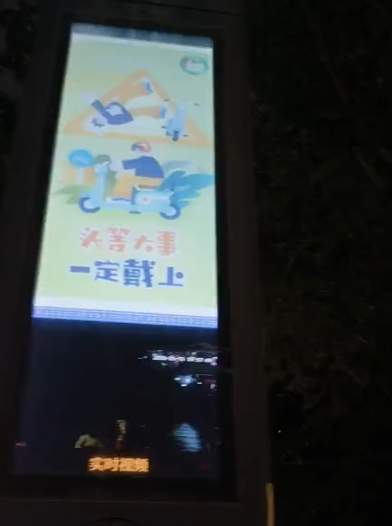
。该媒体21日刊发报道称,如今行走在北京街头,各类人工智能应用随处可见。记者以通勤出行、城市休闲、逛街购物为切入点,通过多场景实地体验,记录下人工智能融入民众日常生活的真实图景。工作日晚高峰的城市街头,是观察民用AI落地的绝佳窗口。手机一键叫车,便可在附近路口等候车辆抵达。抬眼望去,街边布设的设备可抓拍横穿马路的闯红灯行人,辅助交警维护路面通行秩序。穿过马路,呼叫的网约车已经就位。
智能汽车的快速普及,是交通智能化最直观的体现。当下国产车型普遍搭载智能交互系统,语音控车、智能导航、自动辅助驾驶等功能走入千家万户,大幅提升出行便捷度。报道提到,美国企业往往聚焦聊天机器人,而中国政府和企业协同发力,推动人工智能落地工厂、医院、校园、商超等实体民生场景,以应对人口老龄化等现实挑战。
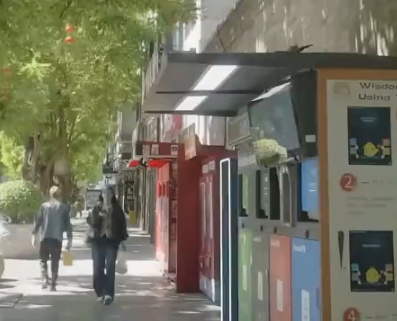
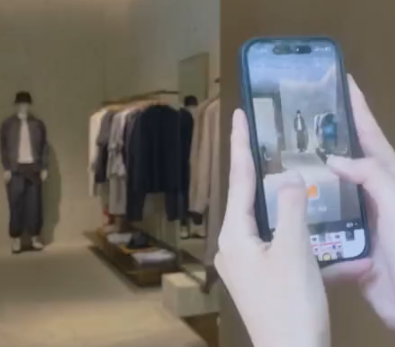
走在北京街头,可以见到不少AI智能垃圾桶,它可对垃圾进行扫描识别,区分普通垃圾与可回收物,引导市民分类投放。机器人值守便利店也是常见的智能场景。无人零售依托AI技术实现自助购物、机器人售货,是新零售模式的创新尝试。在日常逛街购物时,如果看中街边服饰无需进店选购,通过电商平台拍照识图,即可一键匹配同款商品,还能借助AI生成穿搭效果、智能推荐搭配方案。
与此同时,“AI标签”已然成为消费市场的流量密码。各大商场内,AI手机、AI笔记本、智能穿戴设备等品类占据核心展区,各式各样的人工智能机器人吸引人们驻足观看。

二 | 从售价数百美元的熊猫智能机器人,到数千美元的高端人形家用机器人,产品品类十分丰富。《纽约时报》称,在中国,人工智能无处不在,它正以许多不易察觉的方式改变中国人的日常生活。在实体经济领域,AI自动化技术持续提升工厂生产效率,助力制造业转型升级;在民生服务领域,AI家教、智能问诊等普惠服务,依托海量医疗病例、教育数据,有效填补基层资源缺口,缩小城乡、区域教育医疗资源差距,让优质公共服务惠及更多人群。

三 | 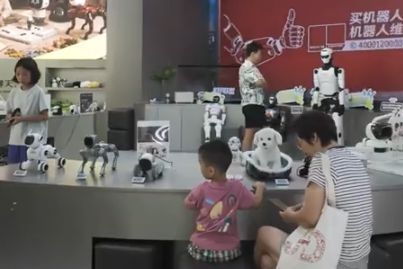 报道认为,中国这场人工智能探索最终走向何方,目前尚且无法下定论,但答案很快就会揭晓。



 。该媒体21日刊发报道称,如今行走在北京街头,各类人工智能应用随处可见。记者以通勤出行、城市休闲、逛街购物为切入点,通过多场景实地体验,记录下人工智能融入民众日常生活的真实图景。工作日晚高峰的城市街头,是观察民用AI落地的绝佳窗口。手机一键叫车,便可在附近路口等候车辆抵达。抬眼望去,街边布设的设备可抓拍横穿马路的闯红灯行人,辅助交警维护路面通行秩序。穿过马路,呼叫的网约车已经就位。